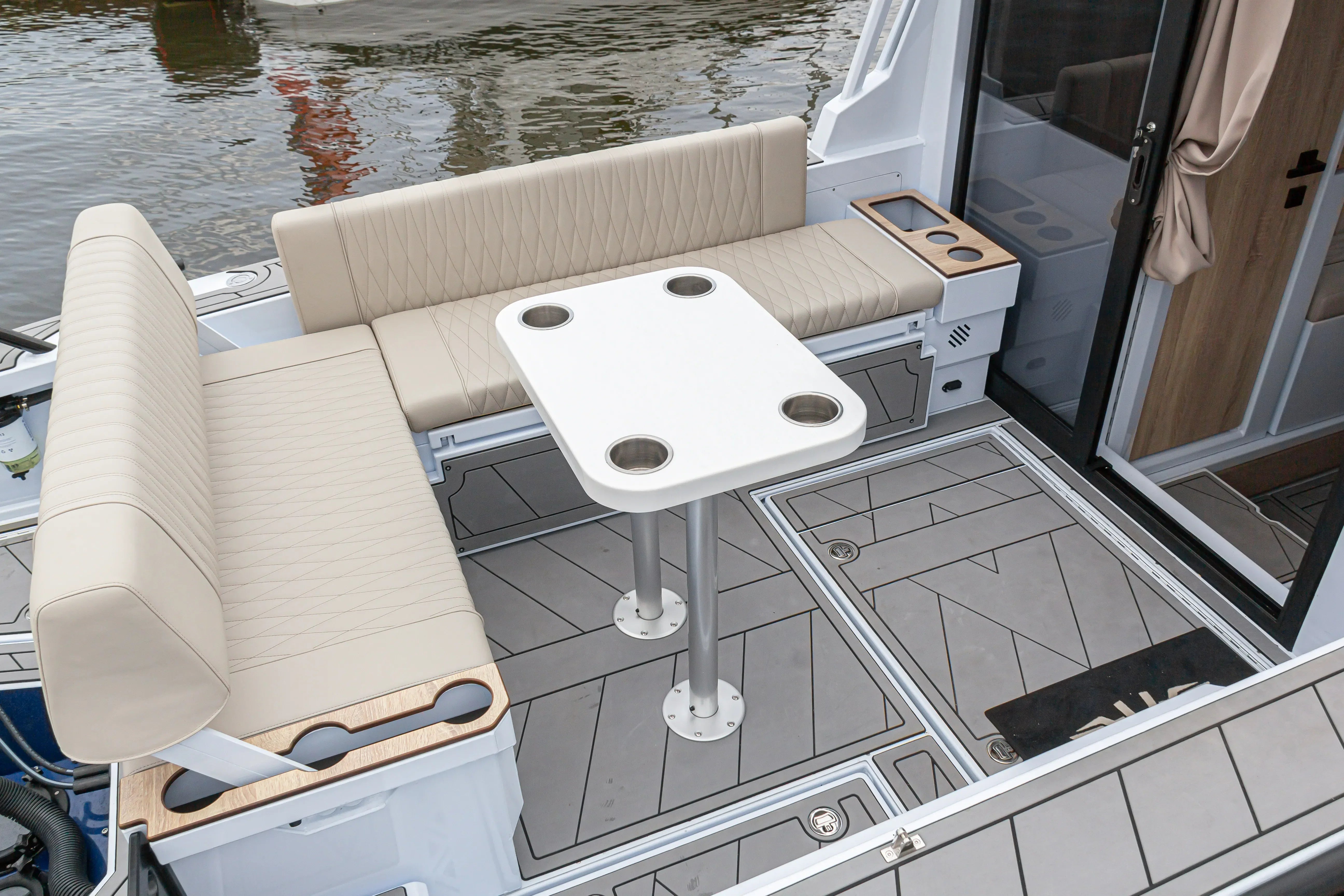
One of the most common questions boat owners ask before choosing EVA foam flooring is simple: how long does EVA boat decking actually last?
The honest answer depends on material quality, installation, and how the deck is used. Below is a realistic, experience-based breakdown—without marketing exaggeration.
The Typical Lifespan of EVA Boat Decking
High-quality EVA boat decking generally lasts 5–8 years under normal recreational use.
With excellent materials, proper installation, and regular maintenance, many users see performance beyond this range—especially in freshwater or moderate climates.
Lower-quality EVA products, however, may show noticeable wear in as little as 2–3 years.
What Factors Affect EVA Boat Decking Longevity?
EVA foam does not fail for a single reason. Lifespan is shaped by multiple factors working together.
1. Raw Material Quality (Most Important)
The durability of EVA boat decking starts with its composition.
Higher-quality EVA foam typically features:
-
Higher PE content
-
Fewer mineral fillers
-
Balanced elasticity and density
Low-grade products often rely on fillers to increase hardness and thickness, which reduces resilience and accelerates aging.
2. UV Resistance and Climate Exposure
Sun exposure is one of the biggest aging factors for EVA foam.
Decking with adequate UV stabilizers resists:
-
Color fading
-
Surface chalking
-
Premature brittleness
Boats stored outdoors year-round will naturally experience faster wear than those covered or trailered.
3. Installation Quality and Adhesive Performance
Even premium EVA foam can fail early if installed poorly.
Common installation-related issues include:
-
Contaminated deck surfaces
-
Insufficient pressure during bonding
-
Inadequate curing time
Proper adhesive bonding ensures the foam and deck act as a single system, reducing edge lift and movement.
4. Usage Type and Foot Traffic
How the boat is used matters.
-
Light recreational boating → longest lifespan
-
Fishing boats with heavy gear → moderate wear
-
Commercial or charter use → accelerated wear
High-traffic zones will naturally age faster, even with quality materials.
Signs EVA Boat Decking Is Reaching the End of Its Life
EVA foam does not fail suddenly. Wear is gradual and visible.
Common indicators include:
-
Loss of surface texture or traction
-
Permanent compression in standing areas
-
Noticeable color fading
-
Edges that no longer bond securely
These signs indicate aging—not sudden failure—and often appear after years of use.
How to Extend the Life of EVA Foam Boat Flooring
Good habits significantly increase service life.
-
Rinse with freshwater after saltwater use
-
Clean gently with mild detergent
-
Avoid harsh chemicals and pressure washing
-
Allow mats to dry fully when removed
-
Store rolled—not folded—during off-seasons
Consistent care can add years to EVA decking performance.
EVA Decking vs Other Materials: Lifespan Perspective
While EVA foam may not outlast hardwood teak in raw years, it offers:
-
Lower maintenance
-
No chemical sealing
-
Easier replacement
-
Better comfort and safety
For most recreational boat owners, EVA provides the best balance of lifespan, comfort, and cost.
The Bottom Line on EVA Boat Decking Lifespan
EVA boat decking is not a disposable product—but it’s also not indestructible.
With quality materials and proper care, EVA foam flooring delivers reliable, long-term performance that aligns with real-world boating use, not unrealistic marketing claims.
Share:
Common Mistakes That Damage EVA Boat Decking (And How to Avoid Them)