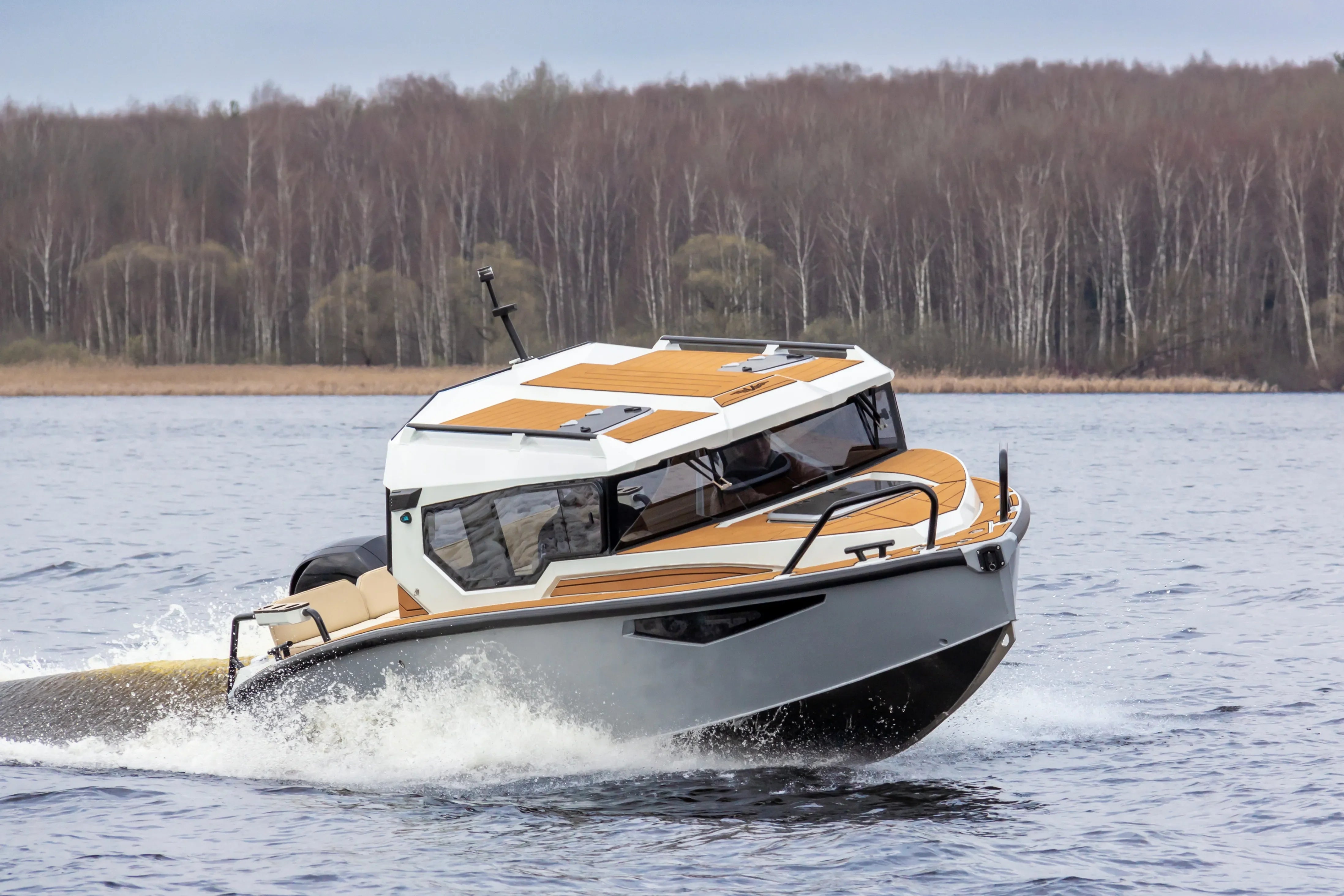
When choosing boat decking materials, comfort, durability, and environmental impact are no longer optional considerations—they are decisive factors for modern boat owners. Among the most common options today are EVA foam boat flooring, PVC marine flooring, and natural wood decking.
But which material truly balances performance with sustainability? Based on current marine industry trends and real-world use, here’s a clear comparison.
EVA Foam Boat Flooring: Comfort, Performance, and Environmental Balance
EVA foam decking has rapidly become a preferred choice for fishing boats, pontoons, and recreational vessels—and not without reason.
Why Boat Owners Choose EVA Foam
EVA foam provides a soft, cushioned surface that significantly reduces fatigue during long hours on deck. Its anti-slip texture maintains traction even in wet conditions, making it ideal for barefoot use, fishing, and family boating.
From a durability standpoint, EVA foam resists:
-
Moisture absorption
-
UV exposure
-
Saltwater corrosion
This means long-term performance without chemical sealants or coatings, which are common with traditional materials.
Eco-Friendly Characteristics of EVA Foam
High-quality EVA foam used in marine flooring—such as formulations with over 80% polyethylene (PE) content—is:
-
Non-toxic
-
Low odor
-
Recyclable
-
Free from harmful heavy metals
Unlike treated wood or chemically complex plastics, EVA does not leach contaminants into water systems, making it a more environmentally responsible decking solution.
Customization and Installation Advantages
EVA foam decking supports:
-
CNC or laser-engraved patterns
-
Multi-color designs and textures
-
Seamless panel layouts
This allows boat owners to achieve a custom, factory-finished look without permanent structural changes to the deck.
PVC Marine Flooring: Durable but Less Forgiving
PVC boat flooring is widely known for its toughness and waterproof nature, particularly in high-traffic commercial or utility applications.
Strengths of PVC Decking
-
High abrasion resistance
-
Long lifespan under heavy foot traffic
-
Good water resistance
Where PVC Falls Short
Despite its durability, PVC has notable limitations:
-
Hard surface with minimal shock absorption
-
Reduced grip when wet unless aggressively textured
-
Limited engraving and color-matching options
From an environmental perspective, PVC recycling remains difficult due to stabilizers and chemical additives. Even products containing recycled content are challenging to process at end of life.
Additionally, prolonged UV exposure can cause PVC materials to fade, stiffen, or crack over time.
Wood Boat Decking: Traditional Aesthetics with Modern Drawbacks
Natural wood decking—such as teak, cedar, or ipe—offers a classic marine appearance, but that appeal comes at a cost.
Performance and Maintenance Challenges
Wood decking requires:
-
Regular sealing or oiling
-
Ongoing protection against mold, rot, and insects
-
Careful installation to prevent warping or cracking
It is also significantly heavier than synthetic alternatives, increasing installation complexity and long-term maintenance effort.
Environmental Concerns
Many hardwoods used in marine decking contribute to deforestation. Even sustainably sourced options (such as FSC-certified wood) demand:
-
High financial investment
-
Intensive resource use
-
Chemical treatments that may affect water quality
For environmentally conscious boat owners, these factors make wood a less practical choice today.
Final Comparison: Why EVA Foam Is the Most Balanced Option
For boat owners seeking a modern, eco-conscious decking solution, EVA foam offers the strongest overall balance:
-
✔ Comfortable and slip-resistant for barefoot use
-
✔ Lightweight and easy to install or replace
-
✔ Highly customizable in color and pattern
-
✔ Non-toxic and recyclable material profile
-
✔ Long-lasting without chemical treatments
While PVC excels in extreme durability and wood delivers classic aesthetics, both fall short when sustainability, comfort, and versatility are weighed together.
EVA foam boat flooring stands out as the practical, eco-friendly choice for today’s marine environments.
Share:
Sailboat Flooring: Elegance, Durability, and Grip at Sea | BoatFloorings
Top 10 FAQs About EVA Marine Decking