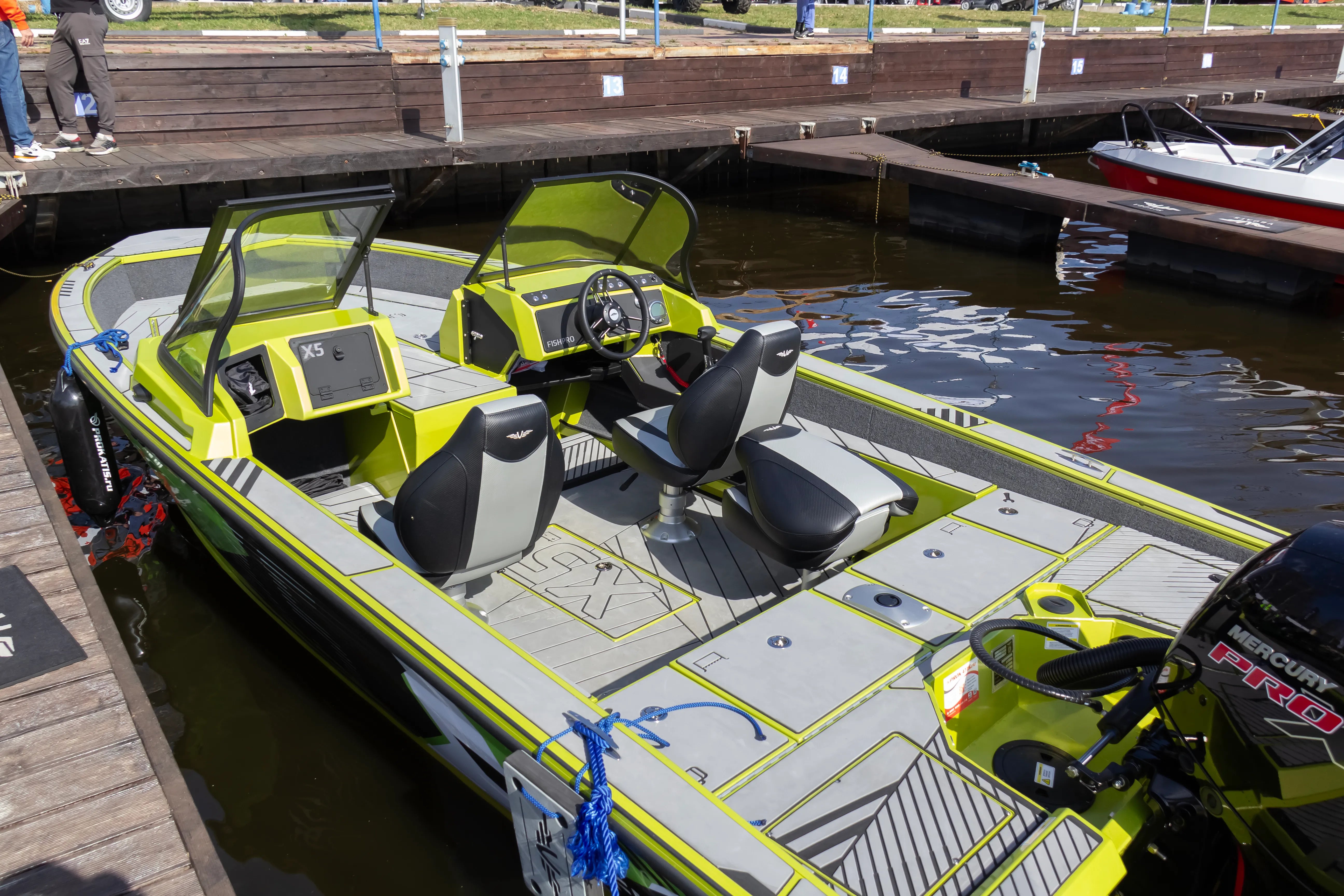
1. What Is EVA Marine Decking?
EVA marine decking is a modern synthetic boat flooring material that has been widely adopted over the past decade. It is made from a blend of EVA (ethylene-vinyl acetate) and PE, combined with controlled chemical reagents and foaming agents.
This structure creates a lightweight, cushioned, and non-slip surface designed specifically for marine environments, including fishing boats, pontoons, and recreational vessels.
2. What Are the Main Advantages of EVA Marine Decking?
EVA marine decking is valued for its balance of comfort, performance, and customization:
-
Wide selection of colors and patterns
-
CNC cutting and laser engraving for logos, textures, and custom designs
-
Soft, shock-absorbing surface ideal for barefoot use
-
Cost-effective compared to wood or PVC decking
-
DIY-friendly installation without specialized tools
These advantages make EVA foam decking one of the most versatile marine flooring options available today.
3. Why Are EVA Decking Sheets Different Sizes Across Brands?
Sheet size differences are often related to foaming ratio and material composition, not cutting accuracy.
In our case, sheets are approximately 10 cm shorter because we use:
-
A higher foaming ratio
-
Higher PE content
This results in greater material density, resilience, and durability, rather than inflated size achieved through excessive fillers.
4. What Determines the Quality and Service Life of EVA Marine Decking?
The most important factors are raw materials and chemical formulation.
As professional manufacturers, we prioritize:
-
Top-tier raw material suppliers used in premium consumer brands
-
Precise control of reagent type and dosage
For example, while the industry-average UV stabilizer ratio is 10–13%, our EVA marine decking exceeds 18%, significantly improving UV resistance and long-term color stability.
5. Is Higher Hardness Always Better for EVA Decking?
No. Higher hardness does not automatically mean higher quality.
Some manufacturers increase hardness and density by adding fillers such as calcium carbonate, a common practice in both EVA and rubber industries. While this reduces cost, it compromises:
-
Cushioning comfort
-
Long-term elasticity
-
Aging resistance
True performance comes from material balance, not excessive fillers.
6. How Is EVA Foam Marine Decking Installed?
Our EVA foam kits use 3M™ 9775WL adhesive, a top-grade waterproof bonding solution officially authorized by 3M.
Installation steps:
-
Clean and dry the deck surface
-
Peel off the adhesive backing
-
Position and apply the tiles
-
Press firmly and apply weight for 24 hours
No drilling or permanent deck modification is required.
7. How Do You Clean and Maintain EVA Marine Decking?
Maintenance is simple and low-effort.
For daily cleaning:
-
Use a neutral detergent
-
Wipe with a mop, cloth, or soft brush
Fish blood, salt residue, and spilled drinks can be easily removed without damaging the surface or color.
8. Is EVA Marine Decking Fireproof?
No. EVA is a foam-based material and is not fireproof.
However, under extreme heat exposure (around 90°C for extended periods), EVA foam typically shrinks rather than ignites, making accidental combustion unlikely in normal marine use.
9. How Does EVA Marine Decking Perform in Extreme Temperatures?
High-quality EVA marine decking is designed for wide temperature tolerance.
Operating range:
-
-30°C to 70°C for regular use
Extreme resistance:
-
Withstands short-term exposure from -40°C to 90°C
This makes EVA foam suitable for both cold climates and high-heat marine environments.
10. How Can I Get a Quote for EVA Marine Decking?
You can contact us directly or submit your information through our website.
Our sales, engineering, and design team will respond within 24 hours, providing:
-
Material recommendations
-
Layout guidance
-
A competitive quotation based on your project
Share:
EVA vs Other Boat Decking Materials: Is EVA Foam the More Eco-Friendly Choice?
EVA Boat Deck Maintenance: Tips for Longevity, Traction, and Appearance